Smoker vs Grill: What's the Difference and Which One Should You Buy?
Recommended picks


How Grills Work
Grills put food directly over or near the heat source, which means high surface temperatures and fast cooking. A charcoal grill reaches searing temps in 20 to 30 minutes. Gas grills light instantly and hold steady heat across the grate. The goal is a good crust on the outside while the inside reaches USDA safe cooking temperatures. Most backyard grillers use their grill for steaks, burgers, hot dogs, chicken pieces, vegetables, and fish fillets. Cook times run from a few minutes to about 45 minutes for thicker cuts. Grills are forgiving in schedule terms: you can decide to cook dinner at 6 p.m. and be eating by 6:30.
How Smokers Work
Smokers use indirect heat, meaning the fire is separated from the food by a firebox, a water pan, or a chamber design. Temperatures stay low, usually 225 to 275 degrees, and cook times stretch from 4 hours for chicken to 12 to 18 hours for a full packer brisket. The long cook time lets collagen in tough cuts dissolve into gelatin, which is what makes smoked pork shoulder or beef ribs pull apart cleanly. Wood smoke flavor builds throughout the cook rather than just sitting on the surface. A charcoal offset like the Oklahoma Joe's 17202053, a 226-pound alloy steel unit rated 4.4 stars across 510 reviews at around $779, is a traditional example of the separate-firebox design. You tend the fire on the side and the smoke flows across the meat before it exits the chimney.
Fuel Types: Charcoal, Gas, Pellet, and Electric
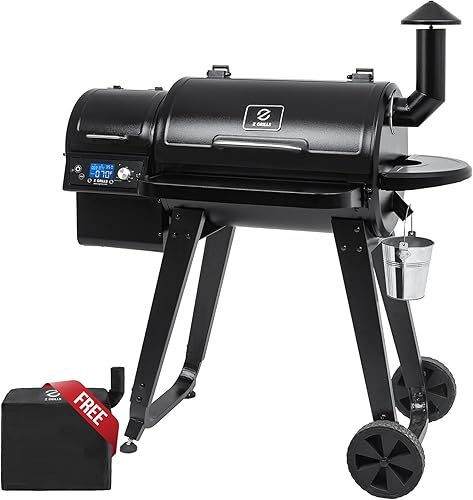
Both grills and smokers come in multiple fuel types, but the fuel affects flavor, convenience, and cost. Charcoal produces more smoke character than gas, whether you are grilling or smoking. A charcoal bullet smoker like the Realcook REALCOOK-17, a charcoal unit rated 4.4 stars across 3,900 reviews at $84.99, is one of the most popular entry points because the price is low and the learning curve is manageable. Pellet smokers use compressed wood pellets fed automatically by an auger, which keeps temperature steady without constant tending. The Z Grills ZPG-450A is a pellet smoker with a 4.4-star rating from 6,400 reviews, priced around $359, and weighs 85 pounds. Electric and propane smokers are the most hands-off, since you dial in a temperature and the unit holds it, but wood flavor is lighter. Gas grills offer the most convenience for everyday cooking but produce the least smoke character.
Which Cuts Belong on Each
Grills are ideal for cuts that are already tender: ribeye, strip steak, burger patties, boneless chicken thighs, fish fillets, and most vegetables. These cuts cook through quickly and benefit from the Maillard browning you get at high heat. Smokers are built for the tough, collagen-rich cuts that would be chewy if cooked fast: pork shoulder, beef brisket, spare ribs, beef short ribs, and whole chicken or turkey. You can also smoke sausage, salmon, and even cheese at lower temperatures. The rule of thumb is that any cut costing more per pound and requiring long braising on the stovetop is a good candidate for the smoker.
Time and Lifestyle Fit
A grill fits a 30 to 60 minute cooking window, which matches weeknight dinners. A smoker requires planning ahead, waking up early on a cook day, or at minimum setting a pellet or electric unit the night before. Offset charcoal and stick-burner smokers demand attention every 30 to 45 minutes to manage fire and airflow. Pellet and electric smokers are more set-and-monitor, with a few walk-outs to check progress. If your weekends are free and you enjoy the process, the smoker is worth it. If you want dinner on the table fast on a Tuesday, a grill wins.
Can One Unit Do Both?
Some units are marketed as combination grill-smokers, and pellet grills in particular can reach 450 to 500 degrees for direct-heat searing in addition to low-and-slow smoking. That flexibility comes at a higher price point compared to a dedicated smoker or a dedicated grill of the same quality. A combination unit is a reasonable choice if you have limited outdoor space or a limited budget for two separate cookers. Just know that most combination units make a better smoker than a true high-heat sear machine, or vice versa, depending on the design. Buying one solid grill and one solid smoker over time often produces better results than chasing a compromise unit.
Common mistakes to avoid
- Buying a smoker before building basic grill skills. Most backyard cooks benefit from learning temperature management on a grill first.
- Using a grill to smoke by piling wood chips on the grates. It can add some flavor but a grill vents too much heat to hold true low-and-slow temps.
- Lifting the smoker lid constantly to check the meat. Every lid lift drops the chamber temperature and adds 15 to 30 minutes to cook time.
- Skipping a leave-in meat thermometer. The only reliable way to know doneness is internal temperature, not time or color.
- Buying the cheapest offset smoker. Thin-metal fireboxes warp, leak smoke, and make temperature management very difficult. A mid-range alloy steel or stainless unit holds heat far better.
- Expecting smoker food to finish on a schedule. Brisket and pork shoulder can stall for hours. Build extra time into any cook day.
Frequently asked questions
Can I smoke meat on a regular charcoal grill?
You can get some smoke flavor by banking charcoal to one side and adding wood chunks, then placing the meat on the cool side with the lid on. This is the two-zone indirect method. Temperatures will be higher and less consistent than a dedicated smoker, so it works better for shorter cooks like chicken or ribs than for a 12-hour brisket. For occasional smoked food it is a reasonable workaround without buying a second cooker.
What is the main advantage of a pellet smoker over charcoal?
A pellet smoker feeds wood pellets automatically and holds your target temperature with much less manual adjustment than a charcoal setup. You set the dial, monitor via a thermometer, and walk away for longer stretches. The tradeoff is that pellet units require electricity to run the auger and controller, and the smoke flavor is generally milder than a wood-fire charcoal offset. They are a good fit for people who want real wood flavor without babysitting a fire all day.
How do I know when smoked meat is done?
Use a leave-in probe thermometer and go by internal temperature, not cook time. Pork shoulder is done when it reaches around 200 to 205 degrees internally, at which point it pulls apart easily. Brisket is similar. Refer to USDA safe cooking temperature guidelines for minimum safe internal temperatures by protein. Time estimates in recipes are only starting points because meat size, smoker airflow, and ambient temperature all change the actual cook time.
Is a gas grill or charcoal grill better for everyday cooking?
Gas grills light in seconds, heat up in 10 minutes, and hold consistent temperature across burners, which makes them more convenient for weeknight meals. Charcoal takes 20 to 30 minutes to reach cooking temperature but produces more flavor from the combustion and is easier to get to very high searing heat. For pure convenience gas wins. For flavor and flexibility on weekends, charcoal has the edge. Both do the job well.
What size smoker do I actually need?
A 17 to 18 inch bullet or vertical smoker handles a couple of racks of ribs or a pork shoulder, which covers most small gatherings. If you regularly cook for 8 or more people or want to do a full brisket flat plus sides at the same time, a larger offset or cabinet smoker with more rack space makes sense. Buying more capacity than you use means longer heat-up times and more fuel burned per cook.