How to Replace Grill Burners
Recommended picks


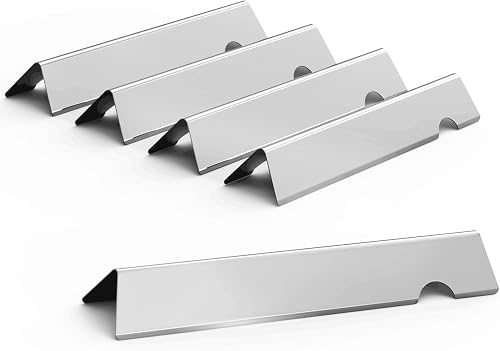
Signs a Burner Needs Replacing
Uneven flames across the cooking surface are the most common sign. If one zone barely lights or produces a low, yellow flame while the others burn blue, the burner ports are likely clogged or the tube itself has rusted through. Visible rust holes, cracks along the burner tube, or a persistent flame that blows out even in calm air all point to a burner that is past cleaning. A strong smell of gas near the firebox with the grill running can also indicate a cracked burner, though that can also be a valve or hose issue, so check those too.
Finding the Right Replacement Burner
Pull the model number from the label on the inside of the grill lid or on the cart frame before you order anything. Burner shapes vary considerably: some are straight tubes, some H-shaped, some oval. The X Home 657228849524 replacement burner (4.7 stars, 4,800 reviews, $23.99) is built from porcelain-enameled steel and is a common fit for several Weber Spirit and Genesis models, but always cross-check your model number first. The Hongso FB7536 (4.6 stars, 2,458 reviews, $36.99) is another widely purchased gas-grill burner replacement with a 22.5 x 2.4 x 2 in profile that suits a number of Char-Broil and similar three-burner grills. If you have a newer grill or a less common brand, a search for your exact model number plus the word burner will usually turn up the OEM part number to compare against aftermarket options.
Tools and Materials You Need
You need a Phillips and a flathead screwdriver, a pair of needle-nose pliers, and a wire brush. A socket set with 8 mm and 10 mm sockets covers most burner mounting bolts, though some grills use wing nuts you can remove by hand. Have a small container ready for the screws so they do not roll off the patio. Replacement burners like the onlyfire F-BHP8749-SS5 (4.6 stars, 563 reviews, 300 bought last month, $17.99) come with the tube only, so confirm whether your crossover igniter tube needs replacement at the same time and order it together.
Step-by-Step Removal
Start by shutting off the propane tank valve and disconnecting the regulator hose. Remove the cooking grates and set them aside. Lift out the heat deflectors, flavorizer bars, or ceramic briquette trays that sit above the burners and note which direction each one faces. Most gas burners are held in place by one or two screws or a cotter pin at the rear bracket and a slip-fit connection over the valve orifice at the front. Remove the rear fastener first, then slide the burner forward off the orifice and lift it out. If the burner is corroded and stuck, a few drops of penetrating oil on the mounting bracket bolt and five minutes of wait time usually frees it.
Installing the New Burner
Slide the new burner's front opening over the valve orifice, then align the rear bracket hole with the grill body and reinstall the screw or cotter pin. Do not overtighten into the sheet metal. With the burner seated, reconnect the igniter wire to the electrode if your grill has one. Set the heat deflectors back in place in the same orientation you removed them, then replace the cooking grates. Before putting food on the grill, reconnect the gas, turn the knob to the light position, and ignite each burner to confirm even flame across all ports. A steady blue flame that runs the full length of the tube tells you the swap was successful.
After the Install: Leak Check and First Burn
Mix a few drops of dish soap with water in a spray bottle and spray it on the hose connections and regulator after reconnecting the gas. Bubbles that form and grow indicate a leak; turn the gas off and re-tighten or replace the connection before using the grill. If everything checks out, run the grill on high with the lid closed for 10 to 15 minutes to burn off any manufacturing oils on the new burner. During that first burn it is normal to see light smoke or a brief discoloration on the burner surface.
Common mistakes to avoid
- Ordering a burner by brand name or shape alone without confirming the model number, then receiving a part that is close but does not align with the orifice or mounting bracket.
- Forgetting to check the crossover tube and igniter electrode at the same time. If the burner was badly corroded, those adjacent parts are often in similar shape.
- Reassembling the heat deflectors or flavorizer bars in the wrong orientation. They are usually tapered and need to angle upward to shed drips correctly.
- Overtightening the rear mounting screw into thin sheet metal, which strips the threads and makes future removal harder.
- Skipping the soap-and-water leak check after reconnecting the gas, which is the only reliable way to confirm the regulator and hose connection is seated properly.
- Running the grill immediately after installation without doing a burn-off first, which can produce off-flavors from manufacturing residue on the new burner.
Frequently asked questions
How do I know what size burner to buy for my grill?
Find the model number on the label inside your grill lid or on the cart frame. Use that number to search for replacement parts by model rather than by measurement. Aftermarket listings usually list compatible model numbers directly in the product title or description, so you can verify the fit before ordering.
Can I replace just one burner or do I need to replace all of them?
You can replace one burner at a time. Burners fail at different rates depending on position and use, so there is no requirement to replace the set all at once. That said, if your grill is several years old and one burner is visibly rusted through, it is worth inspecting the others closely, because they are often in similar condition.
How long does a replacement burner typically last?
Stainless steel burners generally last longer than plain steel or porcelain-enameled steel under the same conditions, but material alone is not the only factor. Grills stored uncovered, used frequently in humid climates, or cleaned with abrasive chemicals tend to wear burners faster. Many grilllers get 3 to 5 years from an aftermarket replacement before seeing significant degradation.
What causes burner ports to clog?
Grease drips, spider webs, and carbon buildup from cooking are the most common causes. Spiders in particular are drawn to the smell of propane and will build nests inside burner tubes when the grill sits unused, which is why a pre-season inspection with a pipe cleaner or wire brush is a good habit. Clogged ports do not always mean you need a new burner; a thorough cleaning with a stiff wire brush often restores good flame.
Do I need to season or coat a new steel burner before first use?
No coating is required. Running the grill on high for 10 to 15 minutes with the lid down after installation is sufficient to burn off any factory residue. Avoid spraying cooking oil directly on the burner tube, since that can cause flare-ups and carbon deposits that are harder to remove later.