Signs Your Grill Igniter Is Bad
Recommended picks

The Igniter Clicks but Nothing Ignites
This is the most common complaint. You press the button, hear the click, but no flame appears. The click tells you the piezo module is firing, so the problem is usually a dirty or misaligned electrode tip rather than a dead module. Grease, carbon buildup, or moisture on the ceramic insulator around the tip can bleed the spark away before it ever reaches the gas. Remove the cooking grates, find the electrode mounted near each burner, and inspect the small metal tip. A gap of roughly 3/16 to 1/4 inch between the tip and the burner collar is standard. If the tip is gunked up or bent out of position, a quick clean or gentle realignment will often fix it without any parts.
You Hear Sparking but the Flame Is Weak or Uneven
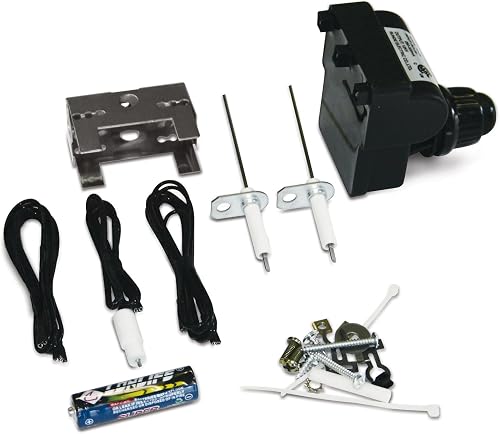
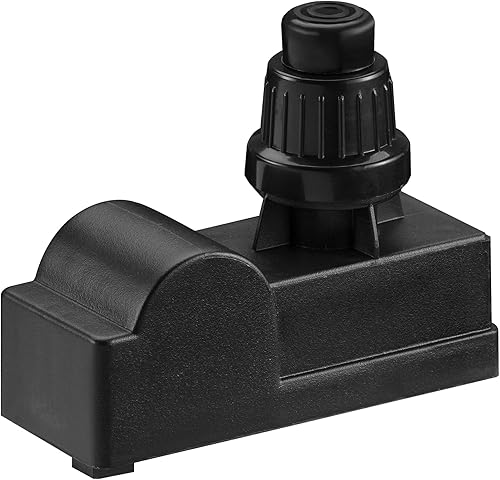
If a burner lights on one click sometimes but needs five clicks other times, the issue is usually the electrode gap drifting or a cracked ceramic insulator. A cracked ceramic sleeve lets the spark jump to the burner housing instead of the gas stream, so the arc is happening but in the wrong place. Look for a hairline crack or a chip in the white ceramic collar around the electrode tip. You can confirm the crack by watching in low light. If you see spark flashing to the side of the burner collar rather than across the small gap above the port, the ceramic is the problem. A replacement electrode for most common gas grills runs under $20, and the GrillPro 20620 ($19.77, 132 reviews) is an example of a push-button module designed as a direct swap on many standard grill housings.
The Igniter Worked Fine After Winter Storage but Now Fails
Moisture is the most destructive off-season force for igniters. Condensation inside the collector box or on the electrode corrodes the battery terminals, pits the electrode tip, and can crack the ceramic if water freezes and expands in a hairline void. Before the first cook of the season, pull the battery and clean the contacts with a dry toothbrush. Inspect the electrode tip for a white chalky deposit, which is oxidation, and scrub it lightly with fine steel wool or a wire brush. If the wire insulation looks cracked or brittle from cold exposure, replace the electrode wire before relying on the igniter. The onlyfire universal electrode kit (4.5 stars, 4,500 reviews, $8.54 for gas grills) is a high-volume choice that fits many common gas grill electrode housings and costs less than a season's worth of long matches.
How to Confirm the Igniter Is Truly Bad Before Replacing It
Run two simple checks before ordering a replacement. First, use a long lighter or matchstick to light the burner manually while the gas valve is open. If the burner lights fine that way, the gas supply and burner ports are clear, which means the igniter system is the only problem. Second, press the igniter button in a darkened space and watch for a visible blue-white spark at the electrode tip. No spark at all points to a dead module or broken wire. A spark that appears but does not reach the burner collar points to a gap or alignment problem. These two checks tell you whether you need a simple electrode swap, a new module, or something else entirely before you spend money.
When to Replace the Igniter Module vs. Individual Parts
Piezo igniters are not rechargeable or repairable at the crystal level, so if the module itself produces no click and no spark even with a new battery (on battery models), the module is done. Single-electrode replacements cost $8 to $35 depending on the brand and configuration, and they are the right call when the module works but the electrode or wire is damaged. A full igniter kit that includes the button, wire, and electrode runs $20 to $60 and makes sense on a grill that is five or more years old where the wiring has grown brittle. If you have a four-burner grill and one burner igniter fails, replace just that electrode first. If two or more fail at once, the whole harness kit is usually the more practical purchase.
Common mistakes to avoid
- Replacing the full igniter kit before checking whether a new battery fixes the problem on battery-powered models.
- Bending the electrode tip too far trying to adjust the gap, which can crack the ceramic insulator and make things worse.
- Using WD-40 or spray lubricants near the electrode. Flammable residue near an active spark is a real hazard.
- Ignoring a corroded or loose push-on wire connector at the electrode. A new electrode will not fix a bad connection.
- Buying a universal electrode without checking the thread size and mounting hole diameter of the original, leading to a poor fit.
- Storing the grill uncovered in winter without removing the battery from the igniter module, resulting in a dead or leaking cell by spring.
Frequently asked questions
Can I still use my grill if the igniter is broken?
Yes, a failed igniter does not prevent the grill from working. You can light the burners manually with a long-reach lighter or a long fireplace match held near the burner port before you open the gas valve. Turn the burner knob to low, hold the flame at the port, then slowly open the gas. Always stand to the side, never directly in front of the burner opening.
How long do grill igniters usually last?
Piezo igniters have no moving electrical parts and can last 10,000 clicks or more under dry conditions, but real-world lifespan depends heavily on moisture, grease buildup, and how well the grill is covered when not in use. Three to five seasons is a common range for the electrode and wiring, while the push-button module itself often outlasts the electrode components. Replacing the electrode and wire annually on a heavily used grill is reasonable preventive maintenance.
Why does my grill igniter spark but the burner will not light?
The spark and the gas stream have to meet at the right place and at the right moment. If the electrode gap is too wide, the spark fizzles before it reaches the gas. If the burner ports are clogged with grease or spider webs (spiders are attracted to the smell of propane), gas flow is blocked even though the spark fires fine. Clean the burner ports with a wire brush and a thin wire or toothpick, then recheck the electrode gap before deciding the igniter is at fault.
Do I need to match the exact brand when replacing a grill igniter?
Brand-matched igniters guarantee fit, but many universal electrode kits work across major grill brands. The key specs to match are the thread diameter if the electrode screws in, the length of the electrode shaft, and the wire length. Check your grill model number and compare it to the replacement part's compatibility list before buying. High-volume universal options with thousands of reviews, such as the onlyfire electrode kit at $8.54, often list compatible model families directly in the product description.
Is it normal for the igniter to make a loud click vs. a soft click?
A sharp, loud click typically means the piezo crystal is producing a strong pulse, which is what you want. A soft or muffled click can mean the module housing is loose, moisture has entered the module, or the crystal is weakening. If the click volume has dropped noticeably compared to when the grill was new, test whether a spark is still reaching the electrode. A quieter click that still sparks reliably is not a problem, but a fading click with inconsistent sparks usually means the module is on its way out.